
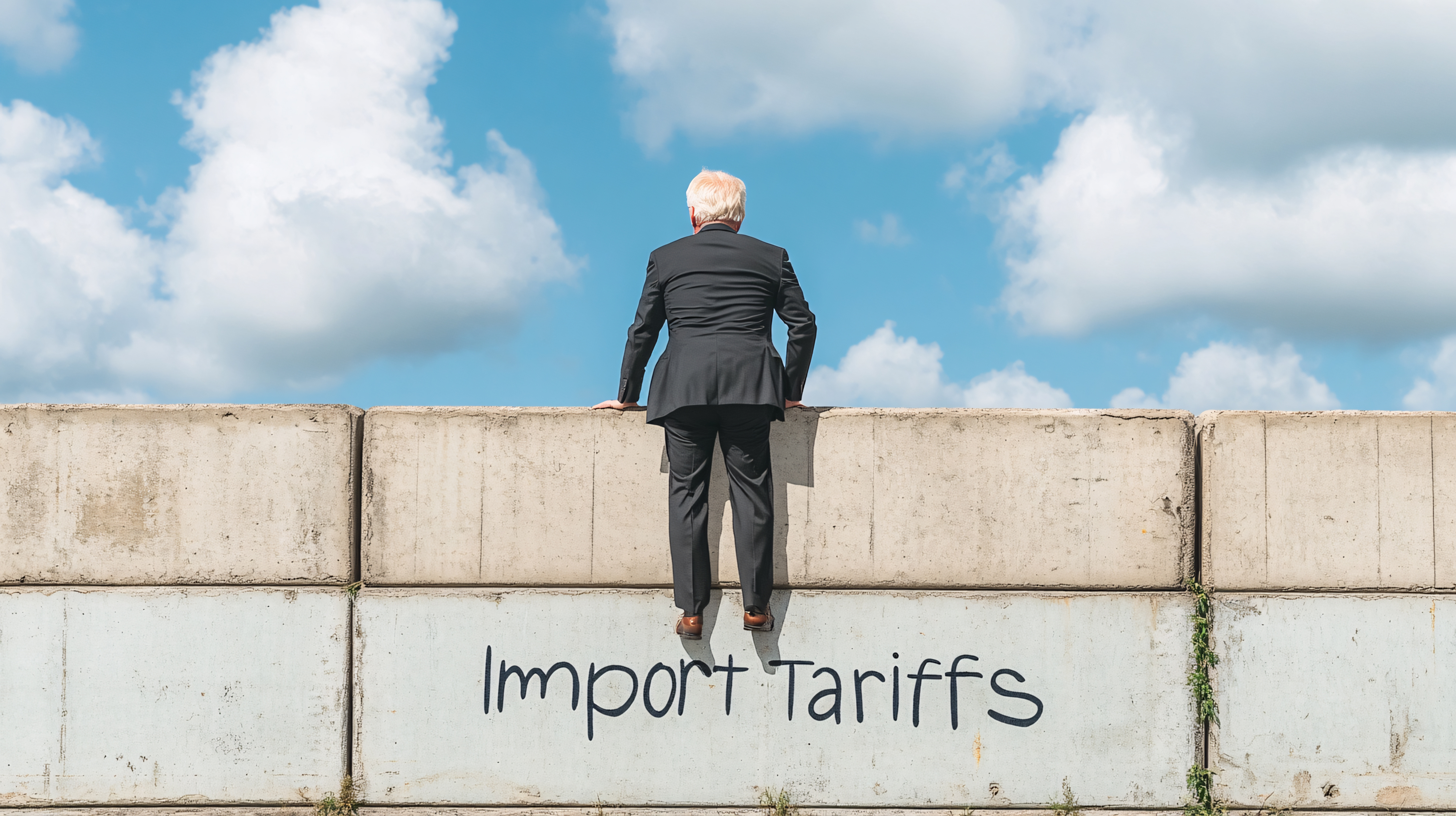
With tariffs dominating global trade discussions, logistics providers are facing rapid shifts in freight costs, sourcing strategies, and supply chain complexity. The U.S. has imposed 25% tariffs on Canada and Mexico, 10% on Chinese imports, and new export restrictions on semiconductors. In response, Canada, Mexico, and China have all announced retaliatory measures—further escalating trade disruptions.
For LSPs, this means new trade routes, increased demand for nearshoring, rising costs, and shifting freight patterns. This post provides a concise recap of the latest developments, industry-specific impacts, and what logistics professionals need to watch in the coming months.
📢 Update Notice (as of February 3, 2025):
For the latest updates on U.S. tariffs, global responses, and supply chain disruptions, visit the TRADLINX Tariff Tracker—your go-to resource for staying ahead in this fast-changing landscape.
Key Developments Timeline
| Date | Event | Details |
|---|---|---|
| January 20, 2025 | Trump issues “America First Trade Policy” memorandum. | Calls for a review of U.S. trade relations, focusing on China, Canada, and Mexico. Agencies must submit reports by April 1, 2025. |
| January 21, 2025 | Announcement of new tariffs. | 10% tariff on Chinese imports and 25% tariffs on goods from Canada and Mexico to take effect February 1, 2025. |
| February 1, 2025 | Tariffs officially implemented. | Targeting goods across multiple industries, including automotive, semiconductors, and consumer goods. |
| February 2, 2025 | Retaliatory measures by Canada and China announced. | Canada imposes $20 billion in tariffs on U.S. goods; China announces export controls on critical minerals (e.g., gallium and antimony). |
Countries Involved
United States
- Tariff Policy: Imposed a universal 10% tariff on Chinese imports and a 25% tariff on Canadian and Mexican goods.
- Export Controls: New restrictions on AI-related technologies and semiconductor manufacturing equipment to limit China’s access to advanced technology.
China
- Retaliation: Export controls on critical minerals like gallium and antimony essential for semiconductors.
- Impact: Disruption to global supply chains reliant on Chinese raw materials.
Canada and Mexico
- Retaliation: Canada imposed $20 billion in tariffs immediately, with an additional $85 billion planned in three weeks. Mexico has also confirmed upcoming retaliatory tariffs.
- Affected Sectors: Automotive manufacturing and agricultural exports from the U.S. are likely to face significant challenges.
Industry-Specific Impacts
1. Automotive Sector
- Impact of Tariffs: Increased costs for manufacturers reliant on cross-border supply chains between the U.S., Canada, and Mexico.
- Electric Vehicles (EVs): Higher production costs due to tariffs could make EVs less competitive globally.
2. Semiconductor Industry
- Export Controls: U.S. restrictions on AI chips (e.g., GPUs) and high-bandwidth memory (HBM) are limiting China’s access to advanced semiconductor technologies.
- Mineral Shortages: China’s export bans on gallium and antimony are causing disruptions in semiconductor production globally.
3. Consumer Goods
- Price Increases: Tariffs on Chinese imports will likely increase prices for consumer electronics, apparel, and household goods in the U.S.
4. Shipping & Logistics
- Ocean Shipping: Replacement sourcing from other regions (e.g., Vietnam) could increase demand for ocean freight services.
- Duty Drawbacks Removed: U.S. businesses can no longer reclaim duties paid on imported components used in exported goods from Canada, Mexico, or China.
Implications for Logistics Service Providers (LSPs)
Challenges
- Increased Complexity
- Tariff policies are prompting companies to reconfigure supply chains rapidly.
- LSPs must adapt to shifting trade routes as businesses seek alternative sourcing strategies.
- Higher Costs
- Rising fuel prices coupled with tariff-induced cost increases could strain logistics budgets.
- Uncertainty in Trade Flows
- Retaliatory measures by Canada, Mexico, and China add unpredictability to cross-border trade.
Opportunities
- Nearshoring Trends:
- Companies are increasingly relocating production closer to end markets (e.g., within North America), creating demand for regional logistics solutions.
- Vietnam as a Beneficiary:
- Vietnam is emerging as a key player in global trade shifts due to its role as an intermediary between China and the U.S..
- Digital Transformation:
- LSPs can leverage AI-driven tools to optimize supply chain visibility amid disruptions.
Summary Table of Affected Industries
| Industry | Key Concerns | Relevance to LSPs |
|---|---|---|
| Automotive | Higher costs due to tariffs; disrupted cross-border supply chains | Increased demand for regional logistics solutions as companies nearshore production. |
| Semiconductors | Export controls on AI chips; mineral shortages | Need for alternative sourcing routes; potential delays in shipments due to regulatory compliance requirements. |
| Consumer Goods | Price increases for electronics, apparel | LSPs may need to manage increased inventory holding costs as companies stockpile goods ahead of tariff hikes. |
| Ocean Shipping | Potential increase in demand due to replacement sourcing | Opportunities for LSPs specializing in ocean freight between Southeast Asia (e.g., Vietnam) and the U.S. |
Key Takeaways for Logistics & Supply Chain Leaders
The ongoing tariff escalation under the Trump administration is reshaping global trade dynamics across industries such as automotive, semiconductors, consumer goods, and logistics. For LSPs, these developments present both challenges—such as increased complexity—and opportunities through nearshoring trends and digital transformation initiatives. To remain competitive, LSPs must adapt quickly by diversifying services, leveraging technology for supply chain optimization, and collaborating closely with clients navigating these turbulent times.

Stay proactive, stay profitable. TRADLINX Ocean Visibility helps you cut costs and grow with confidence. Start your free trial or connect with us today.
Stay tuned for our full report covering how countries around the world are responding and the long-term effects shaping global trade and logistics in the coming years.



Leave a Reply