
In recent years, global supply chains have faced unprecedented disruptions that have exposed vulnerabilities and highlighted the critical need for advanced visibility solutions. Understanding the major events that have destabilized supply chains can help logistics professionals appreciate the necessity of robust tools like TRADLINX Ocean Visibility.

Major Supply Chain Disruptions in the Last Five Years
- COVID-19 Pandemic (2020-2023) The COVID-19 pandemic has been the most significant disruptor, causing widespread lockdowns, factory shutdowns, and labor shortages. The sudden shift in consumer behavior from services to goods overwhelmed supply chains, leading to severe delays and soaring shipping costs. For instance, the cost of shipping a container from China to the United States surged to over $20,000 during peak disruptions.
- Suez Canal Blockage (March 2021) The grounding of the Ever Given container ship in the Suez Canal created a massive bottleneck, blocking a crucial artery for global trade. This incident delayed the delivery of billions of dollars worth of goods and highlighted the fragility of relying on single points of transit.
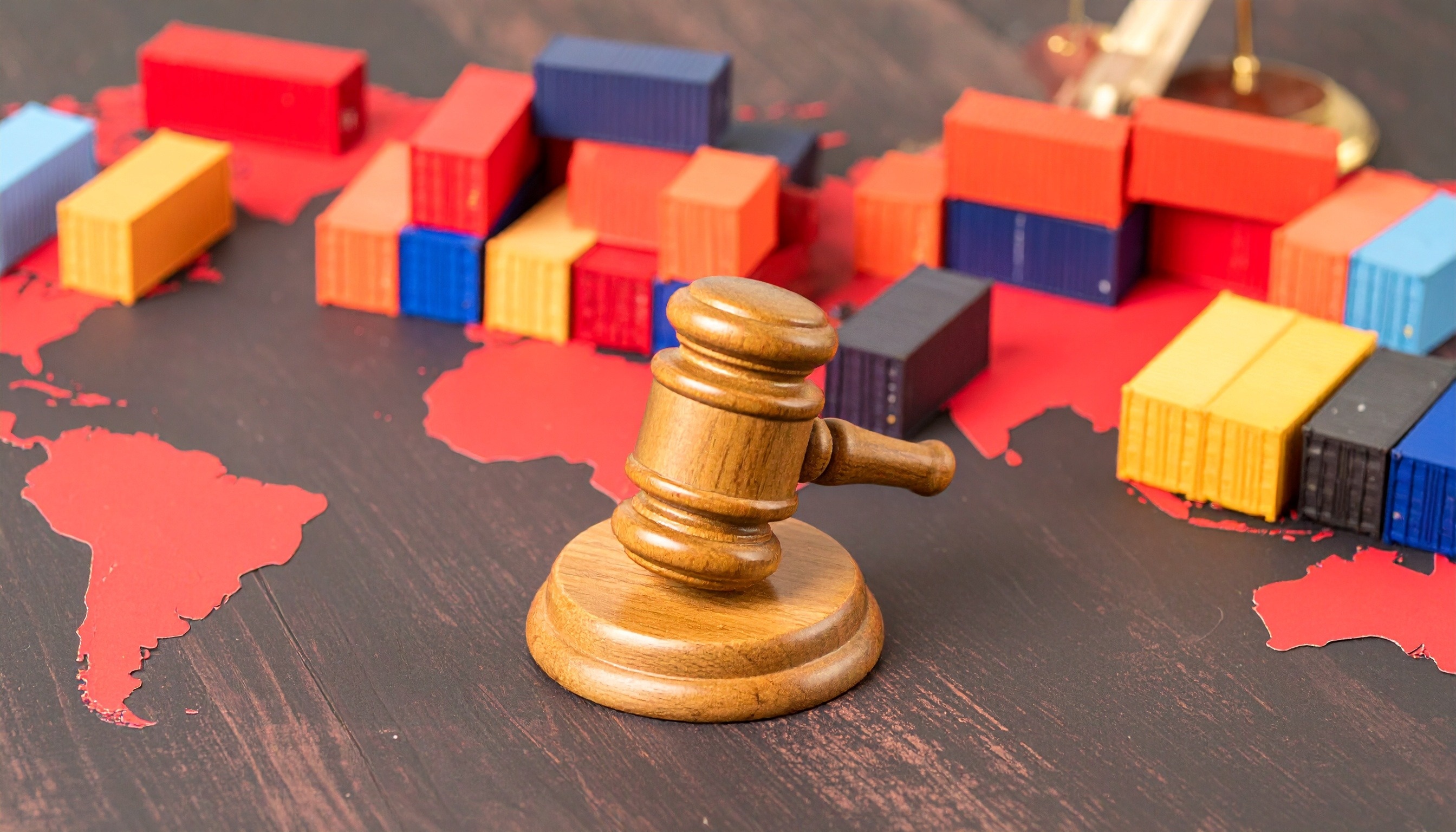
- U.S.-China Trade War (2018-2020) Tariffs and trade restrictions between the U.S. and China disrupted supply chains by increasing costs and forcing companies to seek alternative suppliers. The uncertainty around trade policies created long-term planning challenges for businesses reliant on transpacific trade routes.
- Extreme Weather Events Climate change has intensified weather-related disruptions. Hurricanes, floods, and wildfires have periodically halted production facilities and disrupted logistics networks. For example, the Texas freeze in early 2021 affected semiconductor production, exacerbating the global chip shortage.
- Geopolitical Tensions and Conflicts Political instability and conflicts, such as the war in Ukraine, have disrupted supply chains by affecting key trade routes and commodity supplies. The resulting sanctions and trade barriers further complicated global logistics.

The Future: Unpredictable Challenges Ahead
While these events underscore the vulnerabilities of global supply chains, predicting future disruptions remains challenging. Emerging threats such as new pandemics, cyber-attacks, and evolving geopolitical landscapes could pose significant risks. According to a report by the Business Continuity Institute, energy shortages, natural disasters, and adverse weather events are among the top risks anticipated over the next five years. Consequently, companies must adopt proactive strategies to mitigate potential disruptions.

The Role of TRADLINX Ocean Visibility
In this context, TRADLINX Ocean Visibility emerges as an essential tool for logistics professionals. By providing real-time tracking and comprehensive insights into shipping routes, TRADLINX enhances decision-making and ensures timely responses to disruptions. This visibility allows businesses to:
- Optimize Routing and Scheduling: Real-time data enables dynamic route adjustments to avoid bottlenecks and delays.
- Improve Inventory Management: Accurate tracking helps maintain optimal inventory levels, reducing the risk of stockouts or overstocking.
- Enhance Collaboration: Seamless data sharing with partners fosters better coordination and response strategies.


Case Study: Effective Use of Ocean Visibility Tools
A leading consumer electronics company faced severe delays due to port congestion and container shortages during the COVID-19 pandemic. By integrating TRADLINX Ocean Visibility, the company gained real-time insights into their shipments, allowing them to reroute containers through less congested ports and adjust their inventory strategies accordingly. This proactive approach minimized delays and ensured a steady supply of products to meet consumer demand.
Conclusion
The complexity and interconnectedness of modern supply chains make them inherently vulnerable to disruptions. By leveraging TRADLINX Ocean Visibility, businesses can navigate these uncertainties more effectively, ensuring resilience and continuity in their operations.

Leave a Reply