

The Red Sea, a strategic maritime corridor, is currently at the heart of a crisis with far-reaching implications. Beyond geopolitical tensions and navigation challenges, the environmental impact, particularly the surge in ship carbon emissions, demands immediate attention. This article delves into the crisis, backed by real-life examples and statistical data, to highlight the urgent need for sustainable solutions.
Background and Current Situation
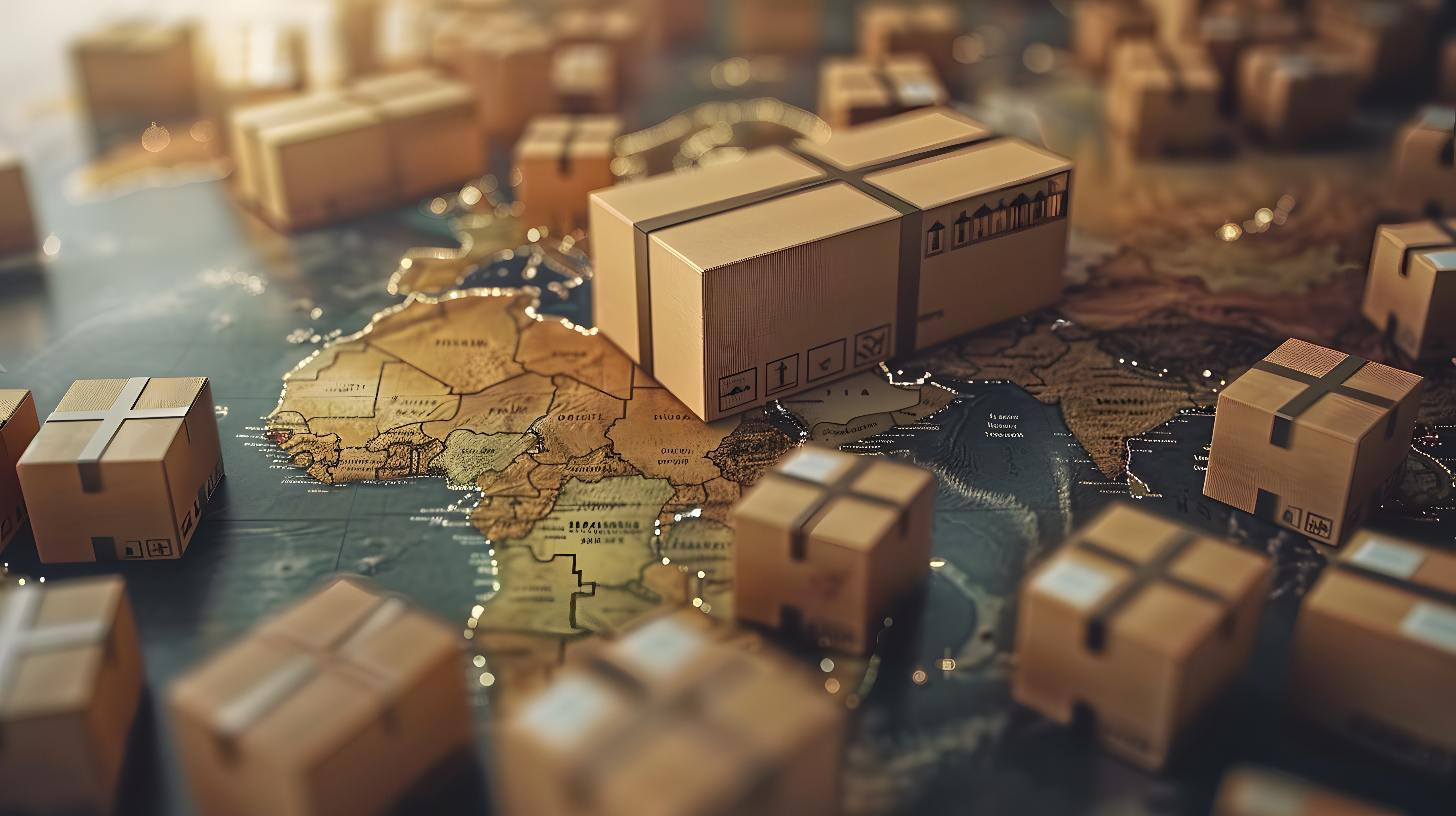
As a crucial passage for international trade, the Red Sea sees significant maritime traffic, with vessels transporting goods between Europe, Asia, and Africa. However, disruptions due to political tensions and conflicts in the region have led to a notable increase in maritime detours. For instance, the closure of traditional routes through the Suez Canal during certain periods has forced ships to navigate around the Cape of Good Hope, extending voyages by thousands of nautical miles.

The Crisis Unfolded: Real-Life Examples and Data
A poignant example of the crisis’s impact is the blockade of the Suez Canal in early 2021, when the Ever Given, a massive container ship, ran aground, causing a six-day delay for hundreds of vessels. This event alone led to an estimated increase of thousands of tons of CO2 emissions as ships idled or were forced to take longer routes around Africa.
Statistically, the maritime industry accounts for about 2.5% of global carbon emissions, a figure that has been exacerbated by the Red Sea crisis. Reports from the International Maritime Organization (IMO) suggest that detours caused by regional instabilities can increase a single vessel’s carbon emissions by up to 10% due to extended sailing times and increased fuel consumption.
Environmental Impact: A Closer Look at the Numbers
The environmental ramifications of increased ship carbon emissions are profound. Studies indicate that for every additional day at sea, a typical large container ship can emit an extra 20 tons of CO2. Considering the hundreds of ships affected by the Red Sea crisis annually, the cumulative impact on carbon emissions is substantial.
Mitigation Strategies with Case Studies
In response to these challenges, the maritime industry has begun to implement various mitigation strategies:
- Adoption of Cleaner Fuels: The introduction of the IMO 2020 regulation, which limits sulfur in ship fuel oil, is a step toward reducing harmful emissions. Companies like Maersk have committed to zero carbon shipping by 2050, exploring fuels like biofuel blends, which have been tested on vessels such as the Mette Maersk, resulting in a significant reduction in carbon emissions.
- Enhanced Route Optimization: A pivotal strategy in mitigating the environmental impact of maritime transportation is enhanced route optimization, especially through the use of advanced cargo and ship tracking software. TRADLINX Ocean Visibility stands out as a prime example of technology that empowers shipping companies to navigate more efficiently. By providing real-time data on ship locations and maritime traffic conditions, TRADLINX enables operators to identify congested routes well in advance and plan the most efficient pathways across the seas.
The significance of such technology in reducing carbon emissions cannot be overstated. Congested maritime routes, often resulting from geopolitical crises like those experienced in the Red Sea, lead to significant delays and increased fuel consumption as ships idle or detour around blockages. TRADLINX Ocean Visibility offers a solution by allowing for dynamic route planning that avoids these congested areas, optimizing travel times and significantly reducing the amount of fuel used during voyages. - Investment in Green Technologies: The shipping industry is also investing in technologies like rotor sails and solar panels to improve fuel efficiency. Norsepower, with its rotor sail solution, has reported up to a 20% reduction in fuel consumption on vessels equipped with their technology.

Conclusion: Navigating a Sustainable Future
The crisis in the Red Sea is a complex challenge with significant environmental implications. Through real-life examples and statistical evidence, the urgent need for the maritime industry to adopt more sustainable practices is clear. By leveraging cleaner fuels, optimizing routes, and investing in green technologies, the shipping sector can mitigate its environmental impact, even in the face of geopolitical unrest. The path to a sustainable future requires collective action and innovation, with the Red Sea crisis serving as a critical juncture for change.
TRADLINX Ocean Visibility revolutionizes supply chain operations with its Ocean Visibility features, offering real-time shipment tracking, predictive analytics for lead times, and seamless management tools for freight forwarders and shippers worldwide.



Leave a Reply