
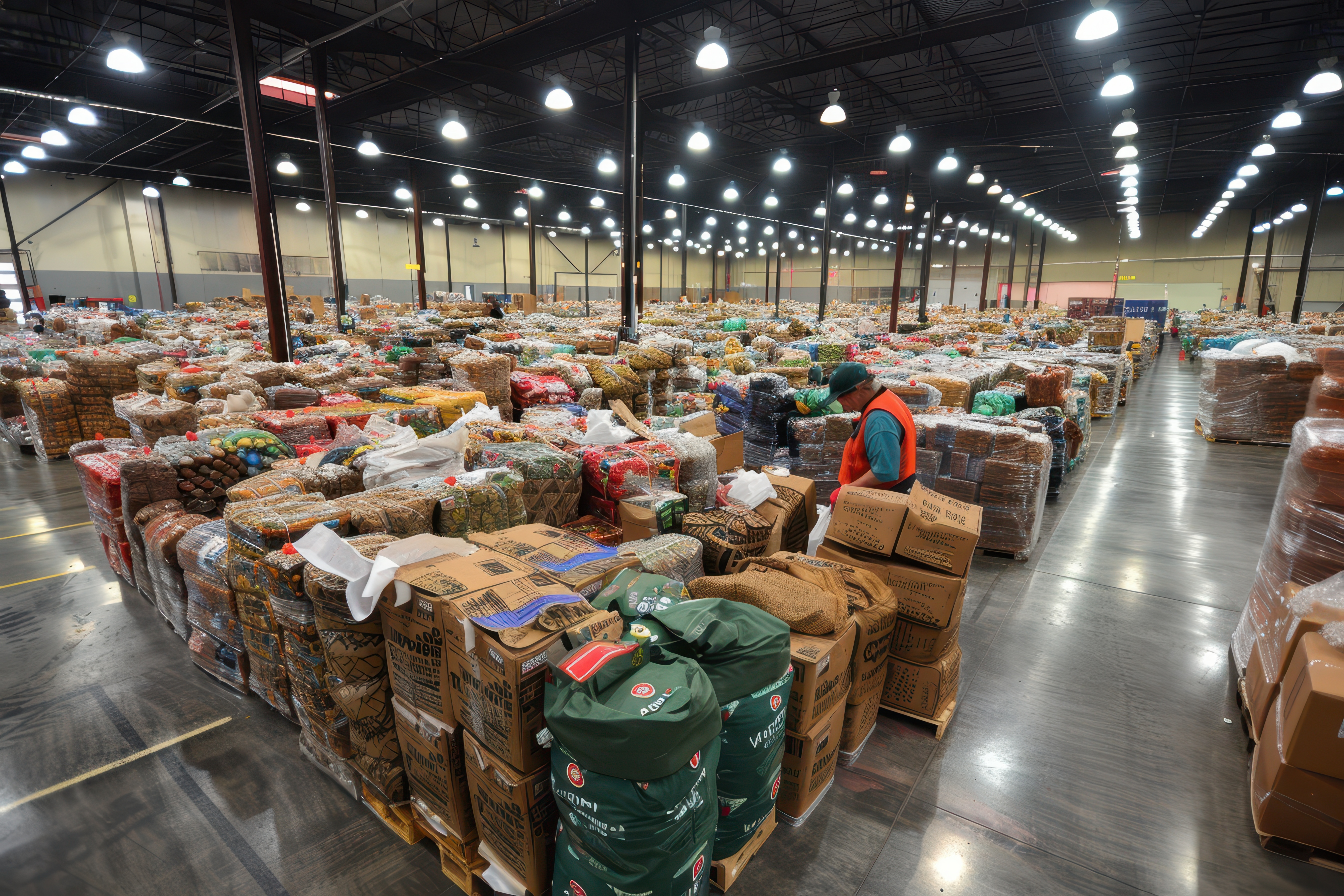
Costco, one of the largest wholesale retailers in the world, has developed a unique supply chain management (SCM) strategy that sets it apart from traditional retailers. Known for its warehouse-style stores and bulk products, Costco operates with a focus on efficiency, simplicity, and customer value. This post explores the key elements of Costco’s supply chain strategy, highlighting how the company successfully manages its operations to deliver high-quality products at competitive prices.
Simplicity and Efficiency: The Core of Costco’s SCM
Costco’s supply chain is built around a philosophy of simplicity and efficiency:
- No Touch Policy: To minimize handling and maximize efficiency, Costco employs a “No Touch” policy. Products remain on pallets throughout their journey, reducing labor costs in logistics and in stores.
- Cross-Docking Operations: The company utilizes a cross-docking system that enables rapid movement of goods directly from suppliers to warehouses without long-term storage.
- Dual-Purpose Warehouses: Costco’s warehouses serve as both retail spaces and distribution centers, streamlining operations and reducing overhead costs.
Vertical Integration for Greater Control
Costco has increasingly focused on vertical integration to enhance control over its supply chain:
- Acquisition of Innovel Solutions: By acquiring Innovel Solutions, Costco aims to improve its logistics capabilities for bulky items purchased online.
- Direct Sourcing: The company works closely with suppliers to negotiate favorable pricing and ensure product quality.
Technology-Driven Enhancements
Costco is leveraging technology to optimize its supply chain further:
- RFID Technology: The integration of RFID technology enhances inventory tracking and management.
- Data Analytics: The use of data analytics helps Costco forecast demand more accurately.
- E-Commerce Improvements: Costco has made significant investments in its online presence, including partnerships with delivery services.
Sustainability Initiatives
Costco is committed to sustainability within its supply chain:
- Sustainable Sourcing: The company prioritizes sourcing products from suppliers that adhere to environmentally friendly practices.
- Waste Reduction: Through efficient inventory management and cross-docking operations, Costco minimizes waste throughout its supply chain.
Challenges in Costco’s Supply Chain
Despite its strengths, Costco faces several challenges:
- Supply Chain Disruptions: Recent global events have highlighted vulnerabilities in supply chains.
- Market Competition: As e-commerce continues to grow, Costco must compete with online retailers.
- Rising Costs: Inflationary pressures on labor and materials can impact profitability.
Pioneering Supply Chain Excellence
Costco’s supply chain management strategy exemplifies how simplicity, efficiency, and technology can drive success in the retail sector. By focusing on vertical integration, leveraging technology for real-time visibility, and committing to sustainability practices, Costco has created a robust supply chain capable of meeting customer demands while maintaining competitive pricing.
For businesses looking to enhance their logistics operations, TRADLINX Ocean Visibility offers advanced tools for real-time tracking and data insights that can streamline supply chain processes. Empower your logistics strategy with TRADLINX Ocean Visibility—your partner in achieving operational excellence in an ever-evolving market.

Discover how to save time, cut costs, and streamline your operations with TRADLINX Ocean Visibility. Start your free trial or book a free consultation to get expert advice on optimizing your logistics today.
Reference
- [1] Costco Supply Chain Insights
- [2] Supply Chain Analysis of Costco
- [3] Costco Marketing Strategy
- [4] Costco Supply Chain Efficiency
- [5] Costco’s Supply Chain Success Story
- [6] Costco Addresses Supply Chain Pains
- [7] Research on Supply Chain Management of Costco
- [8] On Supply Chain Risk in Retail Industry

Leave a Reply