

The global logistics industry is facing a pivotal moment as significant changes to the de minimis rule alter how businesses manage their supply chains. This rule, which previously allowed low-value goods (under $800) to bypass duties and enjoy streamlined customs processes, has been modified to introduce stricter compliance requirements. As businesses adapt to these shifts, new challenges—and opportunities—are emerging.
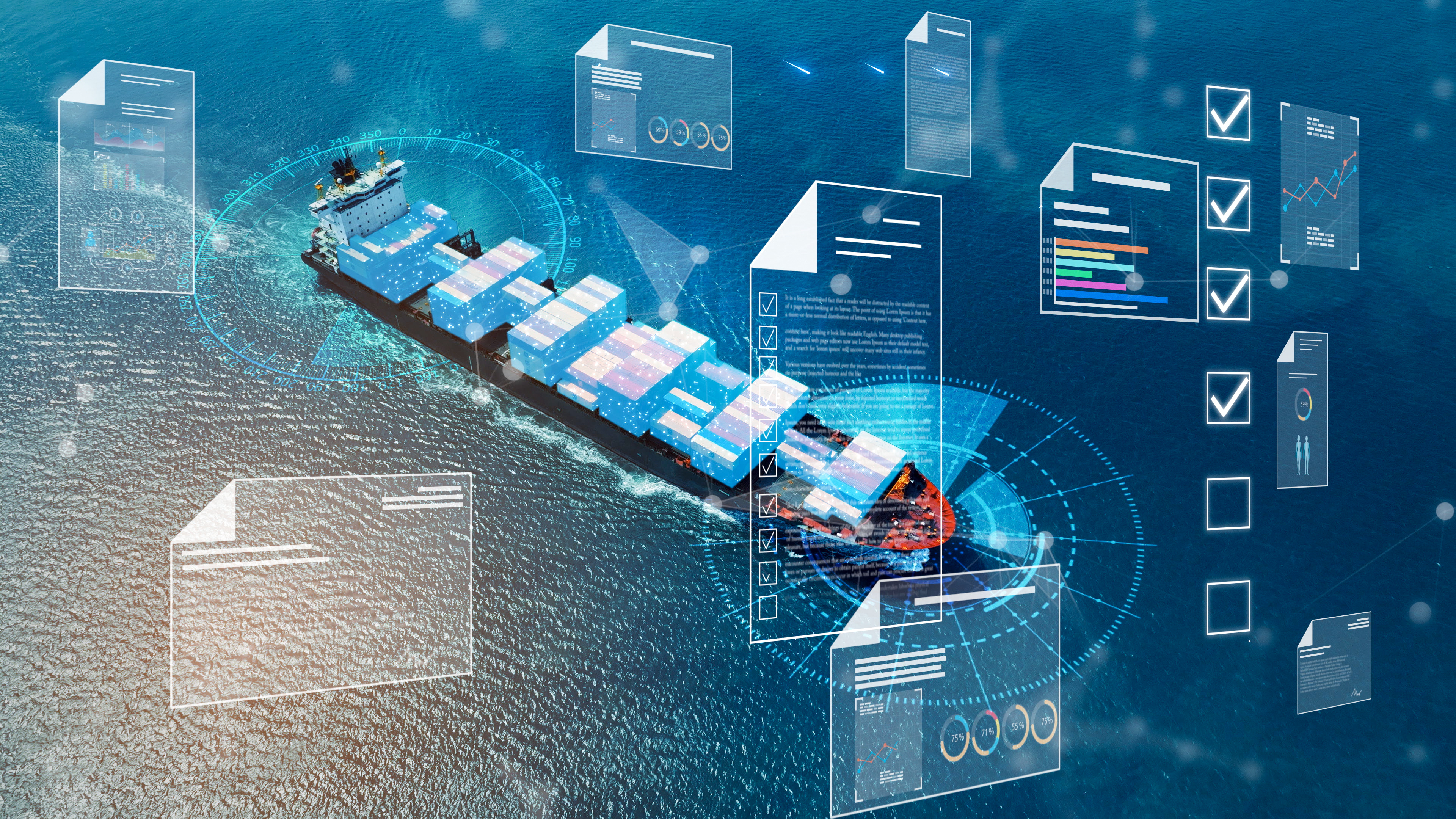
One of the most notable impacts is a shift from air freight to ocean freight as companies look to optimize costs and adapt to longer lead times caused by the new regulatory requirements. While this transition presents challenges like longer transit times and greater operational complexity, it also opens the door to innovative solutions and efficiency-driven strategies.
Recent News on CBP Proposals
CBP’s Proposed Rule Changes:
- In January 2025, U.S. Customs and Border Protection (CBP) proposed excluding goods subject to Section 201, 232, and 301 tariffs from de minimis eligibility. This includes products like steel, aluminum, and certain consumer goods.
- The proposal is part of a broader effort to address national security risks and prevent abuse of the de minimis exemption, as nearly 89% of cargo seizures in 2024 involved low-value shipments under this rule.
Impact on SMBs:
- Small businesses relying on de minimis exemptions for low-cost imports may face higher compliance costs and longer transit times due to increased inspection rates.
- SMBs are advised to explore alternative sourcing strategies or shift inventory closer to customers through domestic warehousing solutions.
The Key Impacts of the De Minimis Rule Changes
The recent changes to the de minimis rule affect a wide range of industries, particularly e-commerce, fast fashion, and consumer goods sectors. Key changes include:
Stricter Compliance Requirements
Shipments that previously bypassed customs will now require more detailed documentation, including mandatory 10-digit HTS codes and certificates of compliance. Additionally, shipments subject to tariffs under Sections 201, 232, and 301 are excluded from the de minimis exemption, requiring full customs filings and duty payments.
Introduction of Enhanced Entry Processes
While Section 321 still provides expedited entry for eligible low-value shipments, the introduction of enhanced entry processes adds new layers of compliance. These processes require advanced electronic data submission, which could lead to longer processing times for businesses unfamiliar with these requirements.
Operational Adjustments for E-Commerce and Logistics Providers
Increased scrutiny on compliance (e.g., HTS classifications) will require businesses and their logistics partners to invest in more robust documentation and customs management systems. While inspections are expected to become more rigorous, there is no confirmed evidence of widespread delays due to inspection rates rising significantly at this stage.
Real-World Examples of E-Commerce Adaptation
Amazon and Walmart’s Strategies:
- Amazon and Walmart are exploring direct-to-consumer shipping models from Chinese factories to bypass U.S. tariffs and reduce logistics costs. However, proposed changes to de minimis rules could disrupt these strategies, forcing them to rethink fulfillment models.
- Amazon has reportedly been working on a discount initiative that leverages de minimis exemptions, but tighter regulations may hinder this approach.
Chinese Exporters Shifting to Ocean Freight:
- Platforms like Shein and Temu have already begun transitioning inventory to ocean freight, building stock in Mexico and the U.S. to mitigate the impact of stricter de minimis enforcement.
- This shift highlights a growing trend among Chinese exporters to adapt by leveraging bulk shipments and local fulfillment centers.
Why Businesses Are Pivoting from Air Freight to Ocean Freight
Air freight has traditionally been the go-to option for businesses prioritizing speed, especially for small, low-value shipments. However, with the de minimis rule changes, the cost-effectiveness of air freight has diminished. Here’s why businesses are shifting toward ocean freight:
1. Cost Efficiency
Air freight is significantly more expensive per unit than ocean freight. The elimination of de minimis exemptions for certain goods means businesses must now pay tariffs, adding to their expenses. Consolidating shipments into bulk ocean freight allows businesses to:
- Lower per-unit costs.
- Reduce the frequency of customs filings and associated fees.
For example, consolidating multiple small shipments into a 40-foot container can significantly cut shipping costs compared to individual air shipments.
2. Increased Lead Times as a Trade-Off
While ocean freight takes weeks compared to air freight’s days, businesses are learning to adapt by:
- Improving inventory planning: Building safety stock to accommodate longer transit times.
- Leveraging domestic warehousing: Shifting fulfillment strategies to hold inventory closer to customers.
3. Better Suitability for Bulk Shipments
Ocean freight is ideal for industries that can benefit from economies of scale. Apparel and consumer goods businesses, for example, can consolidate shipments to save on logistics costs while reducing customs-related complexity.
4. Opportunity for Supply Chain Resilience
Ocean freight allows businesses to build buffer time into their supply chains, helping them navigate the unpredictability of customs processing. Combined with real-time tracking, businesses gain more control over their operations despite longer transit times.
Debate Over Enforcement Impact on SMBs
Challenges for SMBs:
- Tighter enforcement disproportionately affects small businesses that rely on low-cost imports under de minimis exemptions. Many SMBs lack the resources for full customs filings or compliance with new documentation requirements like HTS codes.
- Dropshipping businesses that import directly from China are now forced to rethink their fulfillment strategies due to shrinking profit margins under the new rules.
Opportunities for Domestic Growth:
- On the flip side, these changes could create opportunities for U.S.-based manufacturers and logistics providers. As brands shift fulfillment operations domestically, third-party logistics (3PL) providers offering scalable pick-and-pack solutions stand to benefit significantly.
Practical Solutions for Businesses to Adapt
To turn these challenges into opportunities, businesses must rethink their logistics strategies. Here are actionable steps to stay ahead:
1. Leverage Real-Time Shipment Tracking
One of the biggest hurdles in transitioning to ocean freight is the lack of visibility. Real-time shipment tracking addresses this by offering end-to-end transparency, enabling businesses to:
- Monitor shipment progress and anticipate delays.
- Communicate accurate delivery timelines to customers.
- Adjust operations proactively based on updated tracking data.
2. Optimize Freight Modes with Hybrid Solutions
For businesses that still need speed for certain shipments, combining ocean and air freight can offer the best of both worlds:
- Ocean Freight: For bulk shipments where cost savings are a priority.
- Air Freight: For high-value or time-sensitive goods like electronics or limited-edition apparel.
3. Partner with Experienced Logistics Providers
Reliable freight forwarders and 3PL providers can help businesses navigate the complexities of customs processes and identify the most cost-effective shipping routes. They can secure container space in advance to avoid capacity shortages and minimize delays and compliance risks.
4. Build Supply Chain Flexibility with Warehousing
Longer transit times necessitate strategic investments in domestic warehousing and inventory management. Businesses can stock high-demand products domestically and work with warehousing partners to streamline distribution once shipments arrive at ports.
5. Strengthen Compliance Procedures
With increased customs scrutiny, ensuring compliance is non-negotiable. Businesses should:
- Work with trade experts to understand tariff classifications.
- Invest in automated tools to streamline documentation and compliance.
- Regularly audit supply chain practices to avoid penalties or delays.
Broader Implications for Global Trade
The tightening of de minimis rules signals a broader shift in global trade policies aimed at reducing reliance on foreign imports while bolstering domestic industries.
- E-commerce giants like Temu and Shein may need to absorb higher costs or pass them onto consumers, potentially reshaping consumer behavior in the U.S.
- Transpacific air cargo volumes could decline sharply as more businesses transition low-value shipments to ocean freight, freeing up capacity but also putting downward pressure on air freight rates globally.
- This shift underscores the need for logistics providers to adapt by offering innovative solutions that balance cost efficiency with compliance requirements.
Conclusion
While the de minimis rule changes introduce new complexities for logistics and trade, they also push businesses to adapt and innovate. From embracing ocean freight to leveraging real-time tracking and hybrid solutions, these shifts present opportunities to build a more resilient and cost-effective supply chain.

Reference
- U.S. Customs and Border Protection (CBP) – Notice of Proposed Rulemaking on De Minimis Changes : This official CBP announcement details the proposed regulatory changes to the de minimis rule, including exclusions for goods subject to tariffs under Sections 201, 232, and 301.
Read the CBP National Media Release - CBP Section 321 Programs Overview : This page explains the de minimis rule under Section 321, including eligibility criteria and entry processes like Entry Type 86.
Learn more about Section 321 Programs - International Trade Administration – De Minimis Value: This resource from the U.S. Department of Commerce provides an overview of de minimis thresholds and their impact on international trade.
Explore De Minimis Value Guidelines - CBP Guide to Customs Procedures – De Minimis: A detailed guide from CBP explaining how de minimis provisions apply to customs procedures and specific scenarios.
Read the CBP Guide on De Minimis



Leave a Reply to Theo doreCancel reply