

When engaging in international shipping, choosing the right method of containerization—Full Container Load (FCL) or Less than Container Load (LCL)—is crucial. Each option has distinct advantages and considerations that can significantly impact cost, timing, and overall shipping efficiency. In this article, we delve into the core differences between FCL and LCL, helping you make informed decisions based on your logistical needs.
What are FCL and LCL?
Full Container Load (FCL) shipping means your goods exclusively occupy a shipping container. This option is ideal for large shipments that can fill an entire container. It offers greater control over the cargo, and since only your goods are in the container, the risk of damage from other shippers’ goods is minimized.
Less than Container Load (LCL) involves sharing container space with other shippers’ goods. LCL is a cost-effective solution for smaller shipments that do not require a full container. It allows shippers to pay only for the container space they use, which can significantly reduce costs.
Cost Efficiency: FCL vs LCL

When comparing costs, FCL is often less expensive per unit of freight than LCL. This is because the total cost of shipping a container is fixed, regardless of how full it is. For large shipments, FCL eliminates the need to pay for unused space. However, for smaller shipments, LCL can be more economical as shippers share the container costs with others.
Timing and Logistics Flow
FCL shipments typically move more quickly through the supply chain. With FCL, the container is sealed at the origin and unsealed at the destination, reducing handling and the potential for delays. On the other hand, LCL requires consolidation and deconsolidation, which can add time to the shipping process. If timing is critical, FCL might be the better option.
Ideal Product Types and Situations
FCL is best suited for high-volume, bulky, or heavy products that can fill containers rapidly. It is also preferable for fragile or high-value items that require special handling to avoid damage. LCL is perfect for smaller, less time-sensitive shipments or for businesses that need to manage inventory costs effectively by shipping smaller quantities more frequently.
Risk Management and Damage Prevention

In FCL, the reduced handling of goods significantly lowers the risk of damage. LCL, while economical, increases the likelihood of damage due to the additional handling required for consolidating and deconsolidating goods. Proper packaging and insurance are essential, especially when shipping via LCL.
Environmental Impact

From an environmental standpoint, LCL can be seen as more sustainable than FCL because it maximizes the space used in containers and reduces the number of trips needed for smaller shipments. However, the additional processes involved in LCL might offset some of these benefits. Companies should consider the environmental impact of their shipping practices and strive for solutions that not only meet their economic needs but also minimize environmental footprints.
Conclusion
Choosing between FCL and LCL shipping depends on several factors, including the volume of goods, cost considerations, risk tolerance, and environmental impact. By understanding the nuances of each shipping method, businesses can optimize their logistics strategies to ensure efficient, cost-effective, and sustainable shipping solutions.
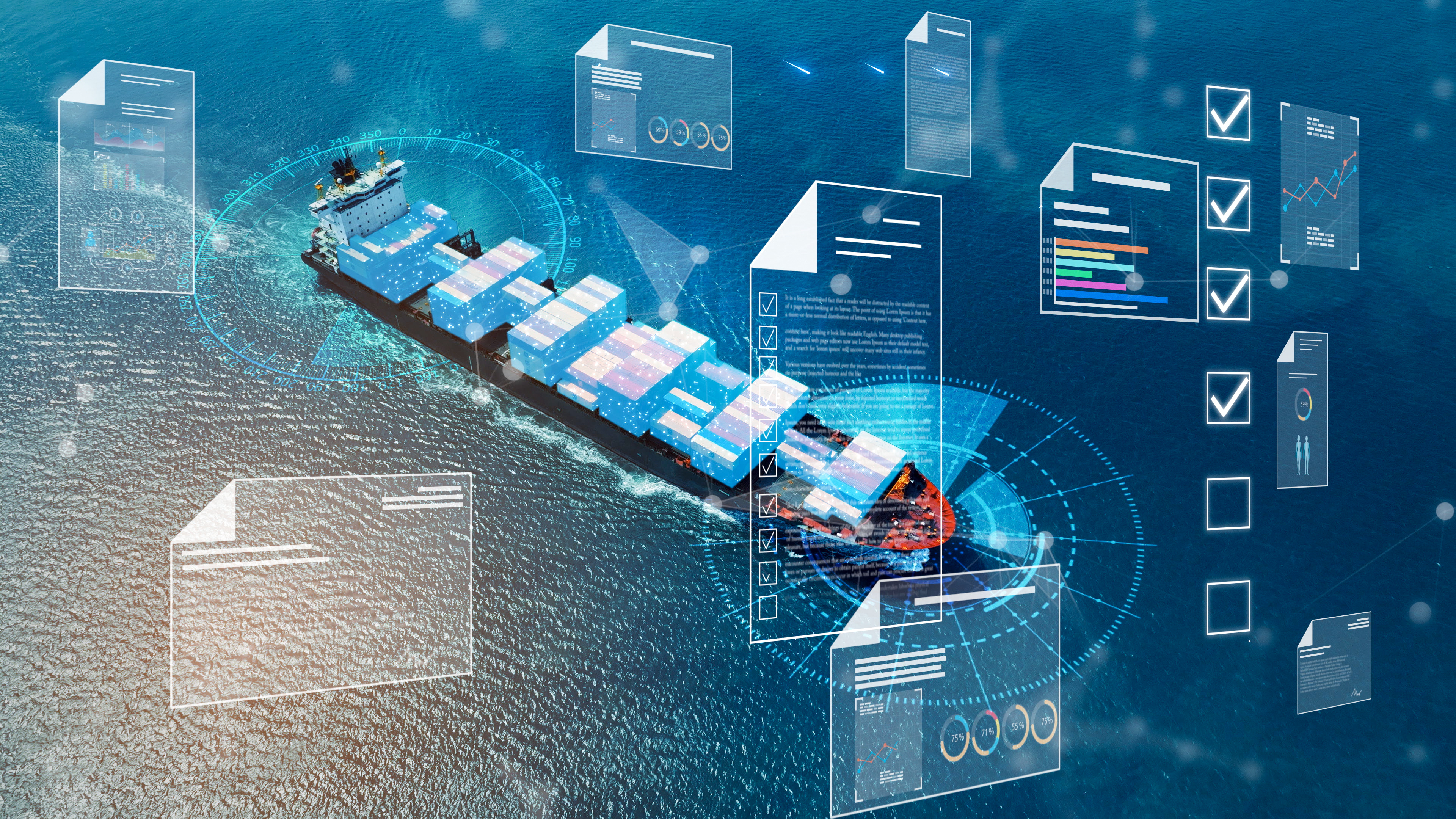
TRADLINX Ocean Visibility revolutionizes supply chain operations with its Ocean Visibility features, offering real-time shipment tracking, predictive analytics for lead times, and seamless management tools for freight forwarders and shippers worldwide.



Leave a Reply