

Things are changing—fast, in the world of global logistics. And if you’ve heard the term digital forwarder being tossed around lately, you’re not alone. So, what exactly is a digital forwarder, and why is everyone in logistics buzzing about it? More importantly, does it mean the end of traditional freight forwarding as we know it. Let’s unpack the hype and see if digital forwarders are really rewriting the rules of logistics.
The Evolution of Freight Forwarding
Traditional freight forwarders are like the logistics superheroes of the past—navigating complex international shipping routes, handling customs paperwork, managing warehousing, and getting goods from point A to point B. It’s a tried-and-true system, but let’s face it: as the global economy has evolved, so has the demand for quicker, more transparent, and more efficient solutions.
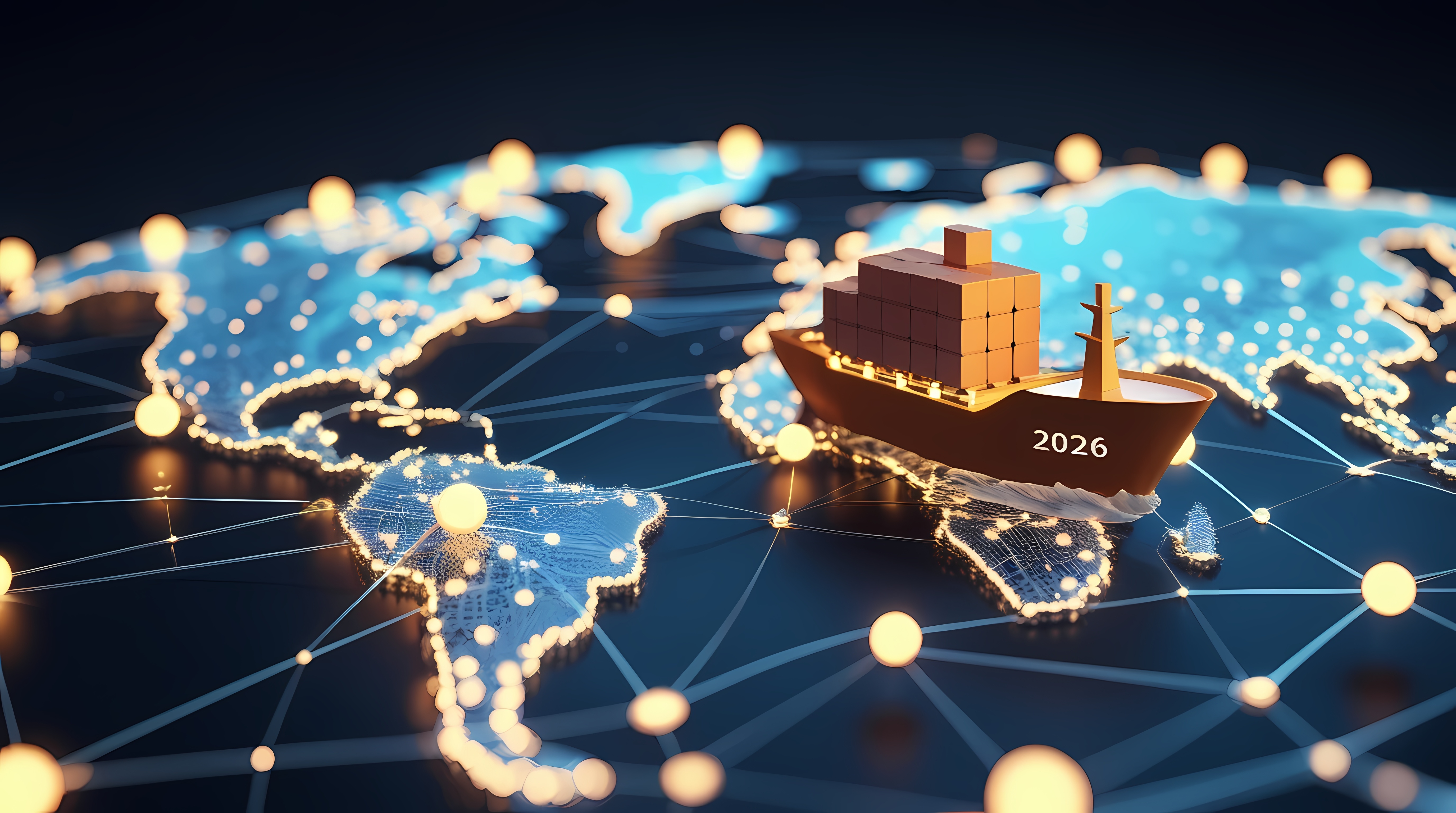
Enter the digital forwarder. Think of it as Freight Forwarding 2.0—powered by technology, data, and automation.

So, What Exactly Is a Digital Forwarder?
A digital forwarder is a Logistics Service Provider(LSP) that uses cutting-edge tech to streamline the traditional logistics process. By automating routine tasks like booking, pricing, tracking, and communication, digital forwarders provide greater visibility, faster response times, and often lower costs. And the best part? It’s all done online, with just a few clicks.
Imagine booking a shipment the same way you book a flight. You get instant quotes, track your shipment in real-time, and manage your entire logistics process from a sleek, intuitive dashboard. No endless emails or phone calls, no guesswork—just efficiency at your fingertips.
Will Digital Forwarders Take Over the World?
While “taking over the world” might sound a bit dramatic, digital forwarders are certainly changing it. The logistics industry is evolving, and those who adapt to the digital shift are the ones positioning themselves to lead. Why? Because technology allows logistics professionals to work smarter, not harder. It gives businesses of all sizes—from local manufacturers to global brands—more control, transparency, and flexibility over their supply chains.
But here’s the thing: digital forwarders aren’t here to wipe out traditional forwarders. They’re more like an upgrade, a new way of thinking about logistics that embraces the efficiency of tech without losing the expertise and strategic thinking that the best forwarders bring to the table.

Why Should You Care? The Perks of Becoming a Digital Forwarder
So, why should logistics professionals be excited about digital forwarders? Here’s why you might want to get on board:
- Speed and Efficiency: No more waiting days for quotes or updates. Digital forwarders provide instant information, making your operations faster and more responsive.
- Real-Time Visibility: Imagine being able to track every container, pallet, or box across the globe in real-time. With digital platforms, this is a reality. You’ll know exactly where your shipments are at any given moment.
- Lower Costs: By streamlining operations and cutting out inefficiencies, digital forwarders can offer more competitive rates. Plus, automation reduces human errors, saving time and money.
- Simplified Processes: With everything from bookings to customs to tracking available on one platform, managing your logistics becomes a breeze. No more navigating a maze of emails, phone calls, and spreadsheets.
- Data-Driven Decisions: Digital forwarders provide access to comprehensive data on shipments, routes, costs, and more. Use this data to optimize your supply chain and make smarter business decisions.
- Scalability: Whether you’re shipping a few containers a month or thousands, digital platforms grow with you. This flexibility makes it easier to adapt as your business scales.

Are You Ready to Embrace the Future of Forwarding?
The digital forwarder transformation isn’t just for tech companies or massive enterprises. It’s for everyone—whether you’re a LSP, manufacturer, or someone looking to streamline your supply chain operations. The future is here, and those who embrace digital solutions will be the ones driving the industry forward.
By embracing the shift towards digital forwarding, you’ll not only future-proof your business but also position yourself as a leader in a rapidly changing landscape. Plus, it’s a lot more fun than spending hours on paperwork, right?
So, Where Do You Start?
Becoming a digital forwarder doesn’t mean abandoning everything you know about logistics—it means enhancing it with technology. If you’re looking to take the leap, here’s how you can start:
- Research the Platforms: Explore digital forwarding tools and choose one that aligns with your business needs.
- Start Small: Begin by automating parts of your logistics processes. Maybe start with real-time tracking or analytics, then expand as you become more comfortable.
- Train Your Team: Make sure your team is on board with the shift to digital. Offer training and resources to help them navigate new tools effectively.
- Monitor Results: Keep track of how digital solutions are improving your operations. Look for areas to optimize and make adjustments as needed.
The Bottom Line: Embrace the Change
Maybe digital forwarders won’t quite take over the world. But they will definitely reshape the logistics industry in a way that’s faster, smarter, and more efficient. By embracing this shift, you’ll stay ahead of the curve and ensure your business is ready for whatever the future of shipping throws at it.

Ready to upgrade your forwarding game? Let’s get digital. 🚀 Contact TRADLINX to discover how you can turn your forwarder business into a logistics powerhouse with real-time tracking, data-driven insights, and next-gen tools. The future of forwarding is just a click away!


Leave a Reply