
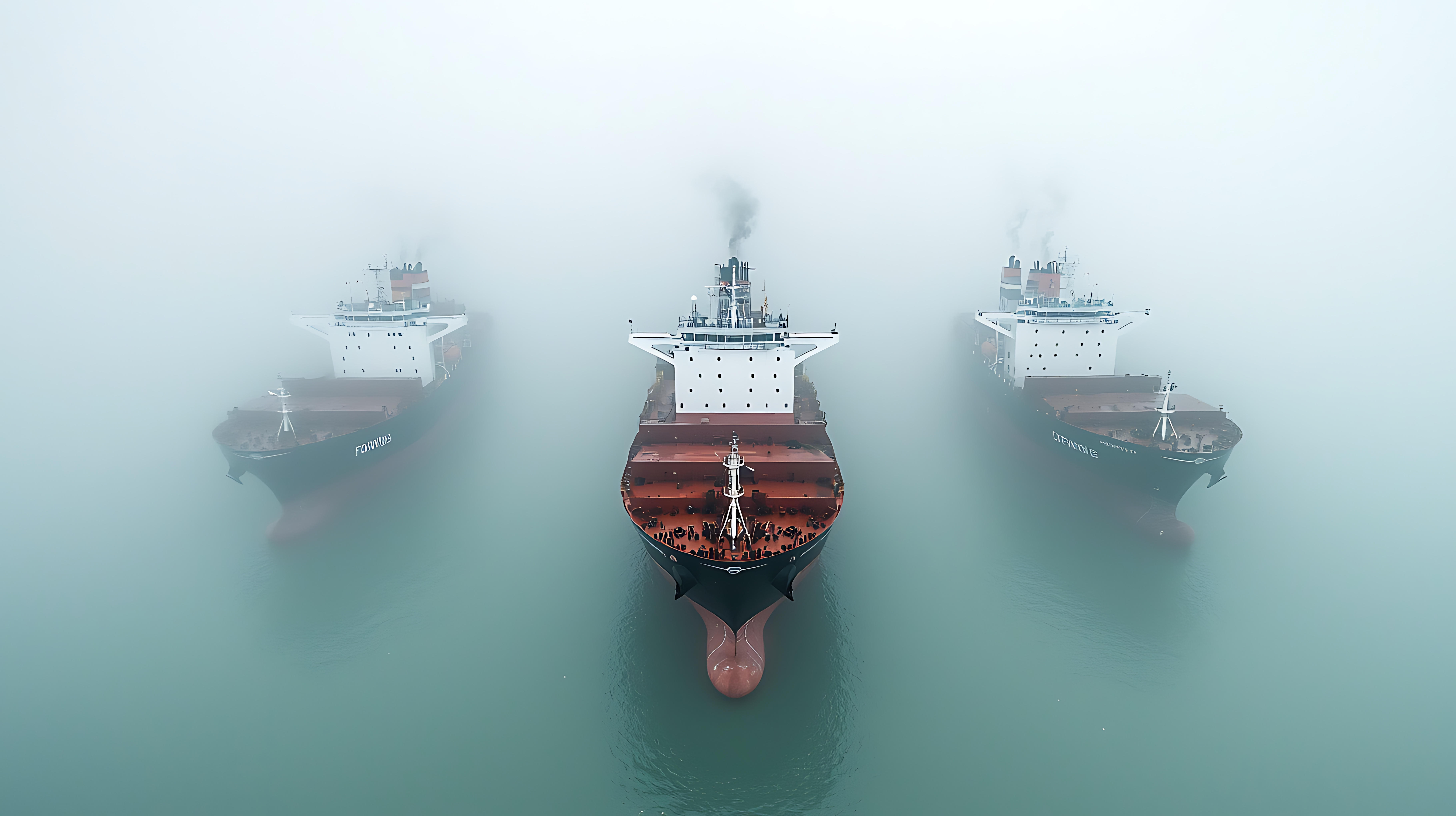
Seven eastbound MSC vessels have transited the Suez Canal and Bab el Mandeb over the past two weeks, even though the carrier has not announced a broader network-wide return to the corridor.
That gap matters for shippers. Red Sea routing is increasingly being decided sailing by sailing, which means the published service route may no longer tell you where a specific vessel will actually go. For time-sensitive Asia-Europe cargo, the operational question is shifting from “Has this service returned to Suez?” to “Which route is this vessel taking?”
Where Each Carrier Actually Stands
| Carrier | What is publicly evidenced | Customer communication |
|---|---|---|
| MSC | Seven eastbound vessels reported via Suez and Bab el Mandeb over two weeks | No broader network return announced |
| Maersk | About one-third of volumes that would ordinarily use the corridor have been restored to trans-Suez routing | Yes |
| Hapag-Lloyd / Gemini | A further Gemini service is moving back to the corridor, with Tangier Med added and more Jeddah calls | Yes |
| CMA CGM | Continued selective Red Sea and Suez transits, including 24,000 TEU-class vessels | Partial / sailing-specific |
| COSCO | Has resumed selected Bab el Mandeb transits and restored Red Sea service exposure | Yes |
For Maersk, the about-one-third share was reported during its Q2 earnings call and covered in our breakdown of Gulf routing. Read the other way, most of the volume Maersk would ordinarily send through the corridor is still taking the longer route around Africa.
Why the Cape Is Getting Harder to Justify
For much of the Red Sea diversion period, carriers accepted the extra distance and fuel cost of sailing around Africa because the security risk of Bab el Mandeb made the Cape the safer operating choice. The economics are now pushing harder in the opposite direction.
Linerlytica put the fuel bill for a 16,000 TEU ship on the Cape routing at $4m to $5.5m at current VLSFO prices. Freightos reported global bunker prices up roughly 15% since the ceasefire collapse in its August 18 market update.
That cost is arriving at the same time as prolonged port congestion across North Asia and Europe is tying up vessels and equipment. Shortening the voyage through Suez can release capacity as well as reduce fuel consumption, giving carriers a commercial reason to reconsider selected transits even while the security risk remains.
Maersk has framed its own routing changes around shorter distances, faster transit times and lower operating costs following what it described as thorough security assessments.
The Advisory and the Sailing Are Now Different Things
Carrier routing announcements have included sailing-level reversal language since the AE15 move in July, when carriers reserved the right to divert individual sailings even while the service itself remained scheduled through Suez. We set out that distinction in the AE15 watch list.
MSC’s recent transits show the same problem in the other direction. An individual vessel can move through Suez without the carrier announcing a broader service return, while another sailing on the same trade may still go around the Cape.
For Asia-Europe cargo, the difference can run from roughly one week to several weeks depending on the service and sailing. That can materially change the expected delivery date, destination free-time exposure and downstream inventory planning.
If your Asia-Europe bookings sit with carriers that are moving sailings individually, walk through how ops teams confirm actual routing per booking rather than per service.
What the Canal Numbers Actually Show
The Suez Canal Authority said on August 18 that 199 CMA CGM vessels had transited the canal since the start of 2026, representing 25.2 million tons of aggregate net tonnage. Across the whole of 2025, it reported 212 vessels and 18.8 million tons of net tonnage.
Those figures are useful evidence that CMA CGM’s exposure to the canal has increased, but they should not be read as cargo-volume data. Net tonnage is a vessel measurement, not the weight of cargo carried, so it does not show how many containers or tons of freight have returned to the route.
The more defensible signal is the combination of vessel count, larger ships using the canal and the carrier’s continued willingness to make selected transits.
What Has Not Changed
UKMTO reported on August 18 that a cargo vessel struck by multiple projectiles in the southern Red Sea off Yemen had been deemed a constructive total loss.
That matters because the return to Suez should not be treated as evidence that the Red Sea is back to normal. Carriers are balancing security assessments against a Cape route that has become increasingly expensive and capacity-intensive.
The reversal trigger therefore remains multidimensional. Fuel prices and congestion affect the commercial incentive to use Suez, while a deterioration in the threat environment can still cause carriers to divert individual sailings at short notice.
What to Check Sailing by Sailing
- Actual routing, not published routing: confirm the corridor for the specific vessel and voyage rather than relying only on the service description. MSC’s recent transits show how the two can diverge.
- Transit time in the quote: check whether the quoted transit assumes Cape or Suez. A quote built on the Cape assumption can overstate the delivery window if the sailing moves through Suez, while the reverse can understate it.
- Downstream commitments: an earlier Suez arrival can pull forward destination free-time or demurrage exposure, as well as trucking, warehouse and inventory commitments.
- Surcharge treatment: confirm whether war-risk and emergency fuel charges are applied by service, routing, booking date or contract. Those charges do not necessarily move in step with the vessel’s route.
- Reversal signals: watch both the security environment and the economics of the Cape route. Neither should be treated as a reliable signal on its own.
Further Reading
- Global Trade Magazine, MSC Returns to Suez Canal as Carriers Expand Red Sea Transits
- The Loadstar, Red Sea Transits: Selectivity Rules for Liners as the Arithmetic Changes
- Freightos, Congestion Playing a Bigger Role in Container Rates, August 18, 2026 Update
- Marine Insight, Unmanned Cargo Ship Declared Total Loss After Attack in Southern Red Sea Off Yemen
MSC transit counts and the Cape fuel range are attributed to Linerlytica as reported in industry coverage retrieved August 20, 2026. Maersk’s restored share is from its Q2 earnings call and subsequent reporting. Suez Canal Authority figures refer to vessel count and aggregate net tonnage, not cargo tonnage. Bunker price movement is per the Freightos market update of August 18, 2026. Routing, transit times and surcharge treatment vary by service, sailing and contract. Confirm the routing and transit assumption for your specific booking with your carrier before committing to a delivery date.


Leave a Reply